Choosing deck boards used to be simple: pressure-treated pine, maybe cedar if the budget allowed. Today most homeowners also look at composite and PVC boards, and the price gap between them can be large.
In Massachusetts, the right choice depends on more than looks. Long winters, snow, ice melt and freeze-thaw cycles are hard on any deck. This guide compares composite vs wood deck options on upfront cost, upkeep, winter wear and lifespan, so you can decide with real tradeoffs in front of you.
What is the difference between pressure-treated, cedar and composite decking?
Pressure-treated pine is lumber that has been chemically treated to resist rot and insects. It is the most common and least expensive deck board, and it is also what holds up almost every deck underneath, including composite ones.
Cedar is a natural softwood with oils that resist decay. It is lighter, smells great and has a warm color, but it is softer than pine, so it dents more easily and still needs regular sealing to keep its look.
Composite boards blend wood fibers and plastic, usually with a protective outer shell. PVC boards are fully plastic. Both are built to skip staining and resist rot, and both cost more up front than wood.
How much does a new deck cost per square foot?
As a rough guide, national cost guides such as Angi, HomeAdvisor and Remodeling magazine's Cost vs. Value report show wood decks as the lower cost option and composite as a clear step up. Massachusetts prices often run above national averages because labor, materials and permit fees are higher here.
In this region, a basic pressure-treated deck typically lands somewhere around $30 to $50 per square foot installed, with cedar usually a bit higher. Composite and PVC decks often run roughly $45 to $75 per square foot or more, depending on the board line and railing.
Size, height, stairs, railing style, site access and the condition of the ground all move the number. These are market ranges, not quotes. The only real deck cost for your yard comes from a free estimate after someone has measured and looked at the site.
How do wood and composite decks hold up in a New England winter?
Freeze-thaw cycles are the big test. Water soaks into wood, freezes, expands and slowly opens cracks and checks in the boards. Composite absorbs far less water, so it tends to stay flatter and smoother through the seasons.
Snow and ice add wear of their own. On any deck, use a plastic shovel and push along the length of the boards, not across them. Metal edges can gouge composite and splinter wood.
Ice melt is where people get into trouble. Rock salt can stain and wear both wood and composite surfaces, and many board makers list which ice melt products they allow. Near the coast in towns like Quincy, salt air and wind also speed up weathering, so check the manufacturer's guidance and rinse the deck in spring.
How much maintenance does each deck material need?
Wood decks need a stain or sealer to slow down graying, cracking and rot. Depending on sun exposure and the product, that typically means cleaning and re-coating every two to three years, plus replacing the odd board and resetting nails or screws that pop up.
Cedar follows a similar routine. Skip the sealer and it weathers to a silver gray, which some people like, but the surface softens over time.
Composite and PVC boards do not need stain or sealer. Upkeep is usually a wash with soap and water once or twice a year to clear pollen, leaves and mildew. Railings and posts may still be wood, so ask what parts of the deck will need paint or stain. Our exterior painting service covers that kind of work on wood decks too.
What goes under the boards: footings, frost line and permits
The boards get the attention, but the frame decides how long the deck lasts. Most decks, composite included, sit on a pressure-treated frame, and that frame needs ground contact rated posts, correct joist spacing and proper flashing where the deck meets the house.
Footings must go below the local frost line so the ground does not heave the deck in winter. Frost depth varies by town and is set by your building department, so ask before digging. Composite boards also often call for closer joist spacing than wood, which affects framing cost.
A building permit is normally required for a new deck, and often for a rebuild, from your city or town building department under the Massachusetts State Building Code (780 CMR). Requirements vary from Milford to Marlborough, so confirm them before work starts.
How long does a deck last, and should you repair or replace it?
With regular care, a pressure-treated or cedar deck commonly lasts somewhere around 15 to 20 years in this climate, and less if it is neglected. Composite boards often last longer, and many manufacturers back them with long warranties, but the wood frame underneath sets the real limit.
Repair makes sense when the problems are on the surface: a few cracked boards, loose railing balusters, popped fasteners or worn stain. Fixing those can add years.
Replacement is the safer call when you see soft or spongy boards across large areas, rot in posts or joists, a ledger board pulling away from the house, or a railing that moves when you lean on it. If the frame is sound and to code, re-decking it with composite can be an option.
Which deck material is right for your house?
Pressure-treated pine fits a tighter budget, a deck you plan to replace in time, or a homeowner who does not mind staining. Cedar suits people who want real wood with a warmer look and are ready for the upkeep.
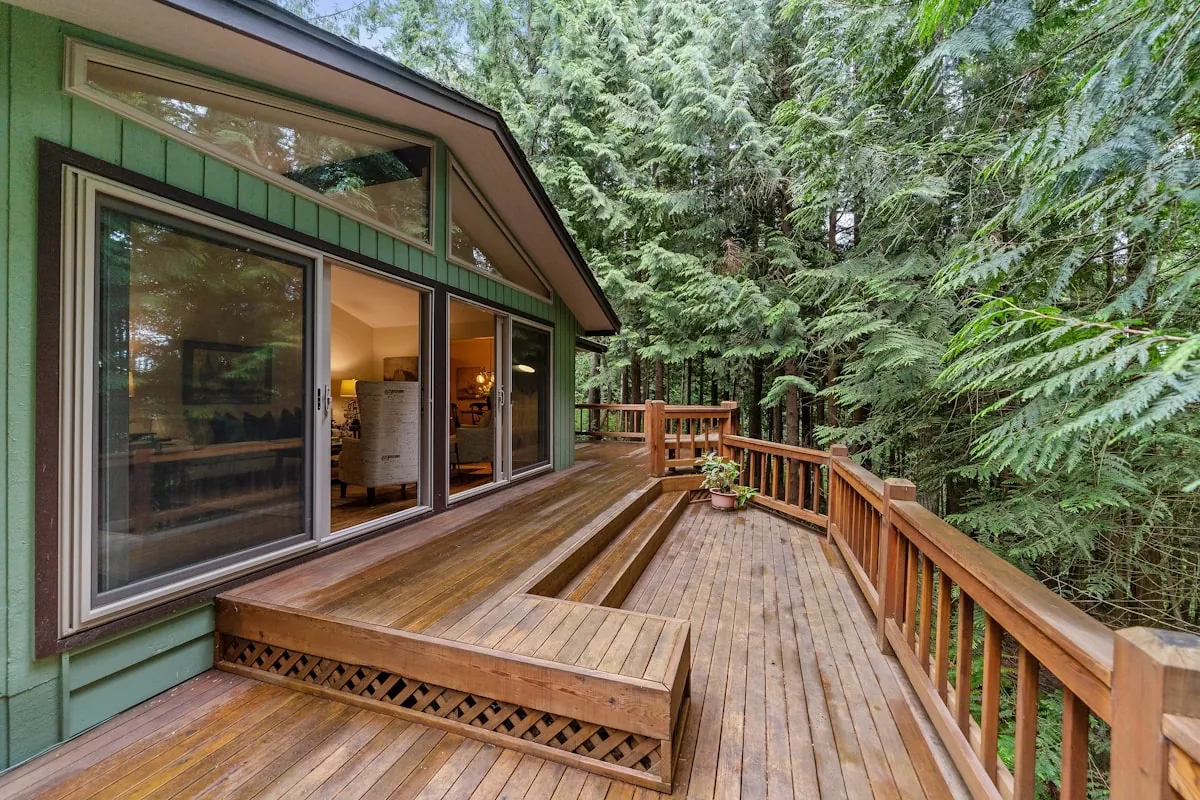
Composite or PVC fits homeowners who plan to stay put, want less maintenance and are willing to pay more now. It often makes the most sense on second floor decks and decks that get heavy sun or snow.
If you are planning a yard project, our Fence Installation Cost in Massachusetts (2026 Guide) is useful too, since decks and fences are often built together. For a new deck or a repair, see our deck building and repair service. Santos Home Renovation has 8 years of experience and more than 500 projects behind it, and serves homeowners in English, Portuguese and Spanish. Get a Free Estimate to compare wood and composite for your own yard.