Most homeowners ask the same two questions before a bathroom remodel: how much, and how long will we be without this bathroom? The second question matters just as much as the first, especially in a house with only one full bath.
This guide breaks a bathroom remodel timeline into its real steps, from picking tile to the final walkthrough. The durations below are typical ranges, not promises. Your actual schedule depends on the size of the room, how much changes, what is behind the walls and how fast your town schedules inspections.
How long does a bathroom remodel take?
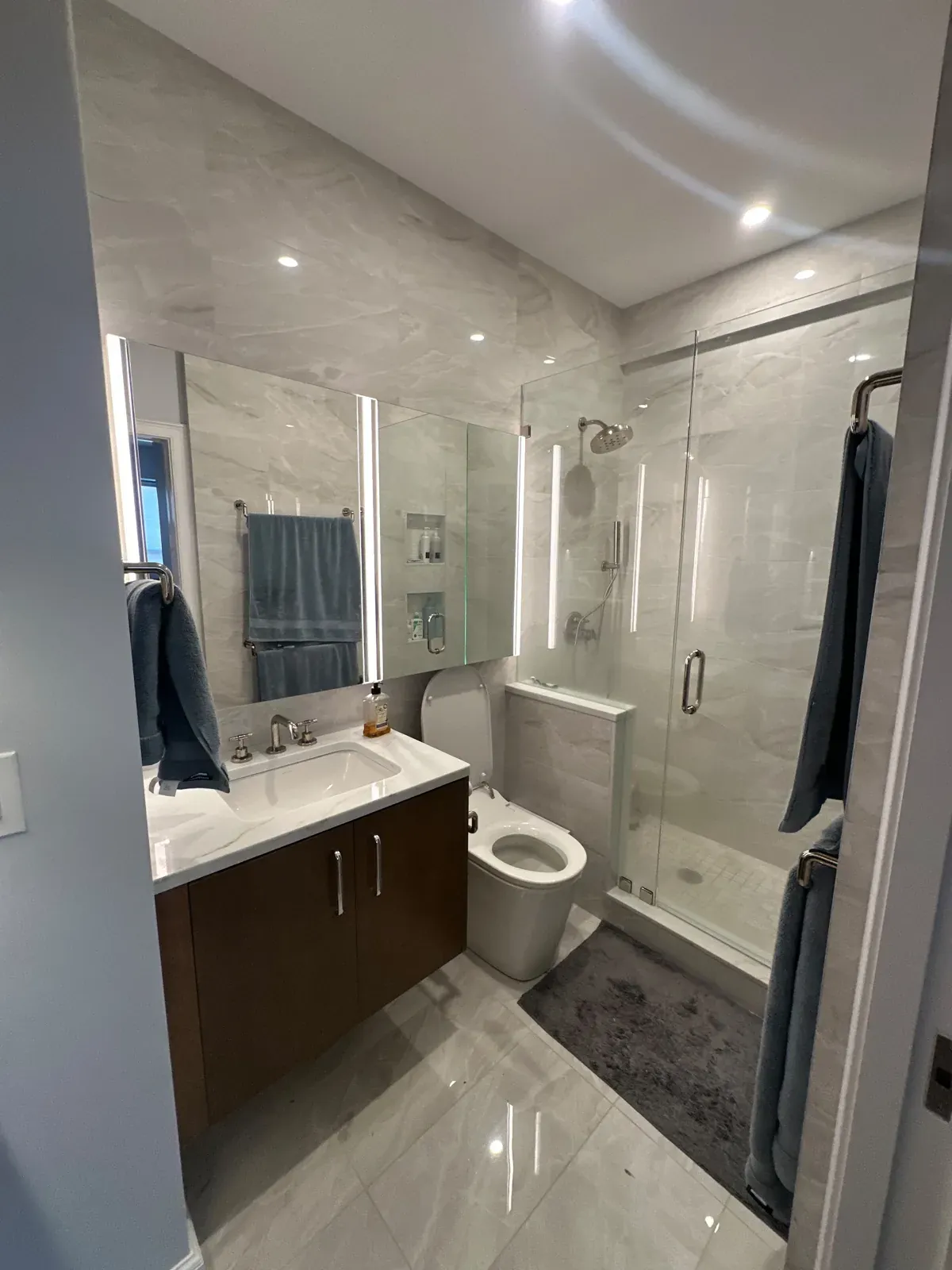
As a rough guide, a cosmetic refresh (new vanity, toilet, lighting and paint, with the tub and tile staying) often takes about one to two weeks of work. A full remodel down to the studs, with a new shower, tile and plumbing updates, commonly takes three to six weeks once demolition starts.
That on-site time is only part of the story. Planning, selections, ordering and permits usually happen in the weeks before anyone picks up a hammer, and they can take as long as the work itself.
Bigger changes take longer. Moving a toilet or drain, converting a tub to a walk-in shower, adding a window or changing the layout all add steps, inspections and drying time to the schedule.
Planning, selections and permits: the weeks before demo
The fastest remodels are the ones where every choice is made before demolition. That means the vanity, toilet, tub or shower base, valve and trim, tile, grout color, lighting, fan, mirror and paint color. Changing your mind mid-project is one of the most common reasons a bathroom drags on.
Order early. Stock vanities and fixtures may arrive in days, but special-order vanities, some tile lines and custom pieces can take several weeks. Having materials on site, or at least confirmed with a delivery date, before demo keeps the crew from sitting idle.
Permits run alongside this step. Building permits come from your city or town building department (often called Inspectional Services) under the Massachusetts State Building Code (780 CMR), and plumbing and electrical permits are pulled by state-licensed plumbers and electricians. Approval time varies a lot by town, so ask early and confirm the requirements for your address.
Demolition and rough plumbing and electrical
Demolition is usually quick, often one to three days for a typical bathroom. The crew protects floors and the path through the house, removes fixtures, tile and drywall, and hauls debris away. In homes built before 1978, lead-safe work practices under EPA renovation rules and Massachusetts lead law come first and can add setup time.
Once the walls are open, the real condition of the room shows up. Rotted subfloor near the toilet, old galvanized or cast iron pipes, ungrounded wiring or framing cut by past plumbers are common in older Massachusetts houses. Fixing them is the right call, but it adds days.
Next comes rough-in: the plumber sets drains, supply lines and the shower valve, and the electrician runs circuits for lights, outlets, the fan and any heated floor. This often takes a few days. Before walls close, the rough plumbing and electrical work is typically inspected by the town, and the next step waits until it passes.
Waterproofing, tile and cure time
After inspections, the walls and floor are prepared. That can mean cement board or foam board in the shower, a sloped shower pan and a waterproofing membrane. Many membranes and mortar beds need drying time set by the manufacturer, and some installers flood test the shower pan before tiling. Skipping this to save a day is how leaks start.
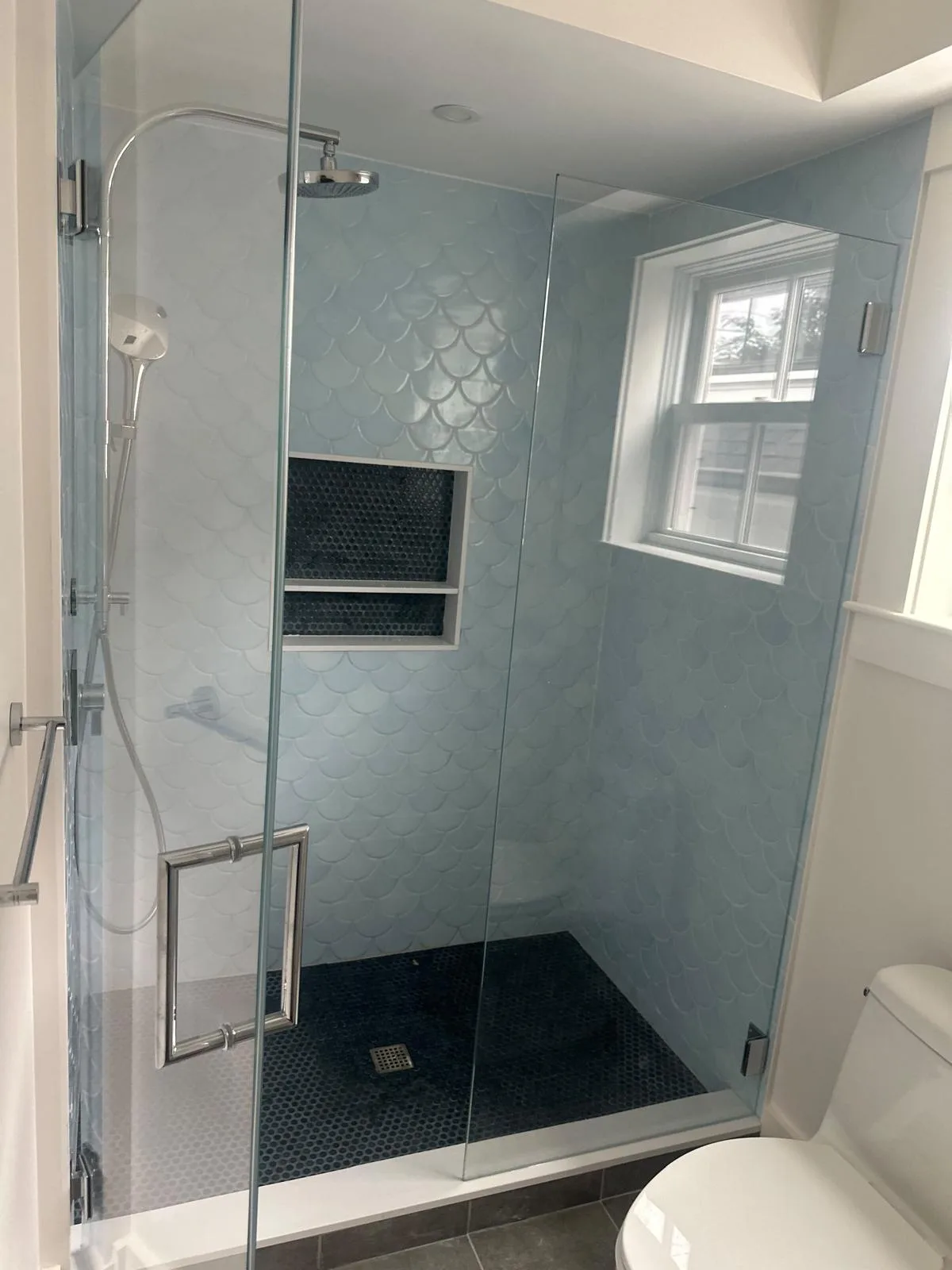
Tile is the longest visible step. A simple tub surround and floor may take a few days, while a full walk-in shower with a niche, small mosaic floor or a detailed pattern can take a week or more. Large-format tile goes faster per square foot but needs a very flat surface, which adds prep.
Grout and thinset need time to cure before the shower is used. Follow the product directions, which often call for waiting at least a few days before regular showers, and longer before sealing some grouts. Custom frameless glass is usually measured only after tile is finished, so its fabrication time starts here too.
Vanity, fixtures, paint and the punch list
With tile done, the finish trades come back. The vanity and top go in, the plumber sets the toilet, faucet and shower trim, and the electrician installs lights, the fan and the cover plates. This phase often takes several days, depending on how many trades need to return.
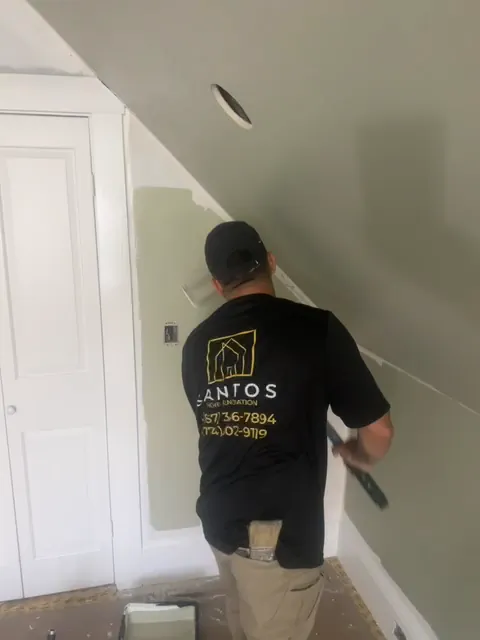
Paint usually comes near the end, after drywall patching around the vanity and trim. Bathrooms need a paint made for humid rooms, and a few days of gentle use while it fully cures. If you want ideas for the finishes themselves, our guide Small Bathroom Remodel Ideas That Make the Room Feel Bigger covers layouts, glass and storage.
The punch list is the final walkthrough: caulk lines, a cabinet door that needs adjusting, a missing towel bar, touch-up paint. A good contractor walks the room with you and closes these items quickly. Final inspections by the town, where required, usually happen at this point.
What slows a bathroom remodel down?
Special-order items are the most common delay. A vanity, tile or glass that arrives late, damaged or in the wrong size can stop progress for days or weeks. Confirming every order before demo is the best protection.
Older homes add surprises. Many houses in Boston, Newton, Worcester and nearby towns are decades old, and water damage, outdated wiring or framing issues often hide behind tile. These are not visible during an estimate, so it is wise to plan a small buffer of time and budget.
Inspections and decisions round out the list. Inspection scheduling depends on each town's workload, and a failed inspection means a fix and a second visit. Late changes to layout or finishes also reset parts of the schedule. For how scope affects price, see our guide Bathroom Remodel Cost in Massachusetts (2026 Guide).
How to live with one bathroom during a remodel
If this is your only full bathroom, plan before demo. Ask whether the toilet can stay in place or be reset temporarily at the end of the day, and which days the water will be off. Some families use a half bath, a gym or a relative's home for showers during the longest stretch.
Order matters. Doing all selections and ordering ahead, and starting only when materials are on hand, shortens the time without a working bathroom more than anything else. Ask your contractor for a written schedule that shows the days without water or a toilet.
Santos Home Renovation has 8 years of experience and more than 500 projects, and we talk with homeowners in English, Portuguese and Spanish. Our bathroom remodeling service covers Boston, Newton, Worcester and nearby towns. Get a Free Estimate and we will walk through a realistic timeline for your bathroom.