LVP vs hardwood is one of the most common questions homeowners ask before a flooring project. Both can look great, both are popular in Massachusetts homes, and the price gap between them is smaller than many people expect once installation and prep are added in.
The better question is not which floor is best overall, but which floor is best for each room. A basement, a busy kitchen and a quiet bedroom ask very different things of a floor. This guide compares luxury vinyl plank vs hardwood room by room, with notes on moisture, pets, radiant heat, older subfloors and resale.
What is the difference between LVP and hardwood?
Luxury vinyl plank (LVP) is a layered product: a printed photo layer that looks like wood, a clear wear layer on top and a core underneath. Many current planks have a rigid core and click together as a floating floor. Quality depends a lot on the thickness of the wear layer, usually listed in mils.
Hardwood is real wood. Solid hardwood is one piece of lumber, nailed to the subfloor. Engineered hardwood has a real wood top layer bonded to a plywood or composite core, which makes it more stable when humidity changes.
The practical difference is simple. LVP is built to resist water and wear but cannot be sanded. Hardwood can be sanded and refinished, so a worn floor can look new again, but it does not like standing water or big swings in humidity.
How much does LVP cost compared to hardwood?
As a rough guide, national cost guides such as Angi, HomeAdvisor and Remodeling magazine's Cost vs. Value report put installed luxury vinyl plank somewhere around $4 to $9 per square foot, and installed hardwood often around $8 to $15 per square foot. Boston-area and Massachusetts costs often run above national averages.
Those numbers move with the product and the job. A thin, budget LVP costs less than a thick rigid core plank with a heavy wear layer. With hardwood, species and plank width change the price.
Prep work can close the gap. Removing old floors, fixing an uneven subfloor and new trim cost about the same for either material. For a deeper look at the hardwood side, see our guide Hardwood Floor Installation Cost in Massachusetts (2026 Guide). For your own rooms, a free in-home estimate is the only way to get a real number.
Basements and kitchens: where moisture decides
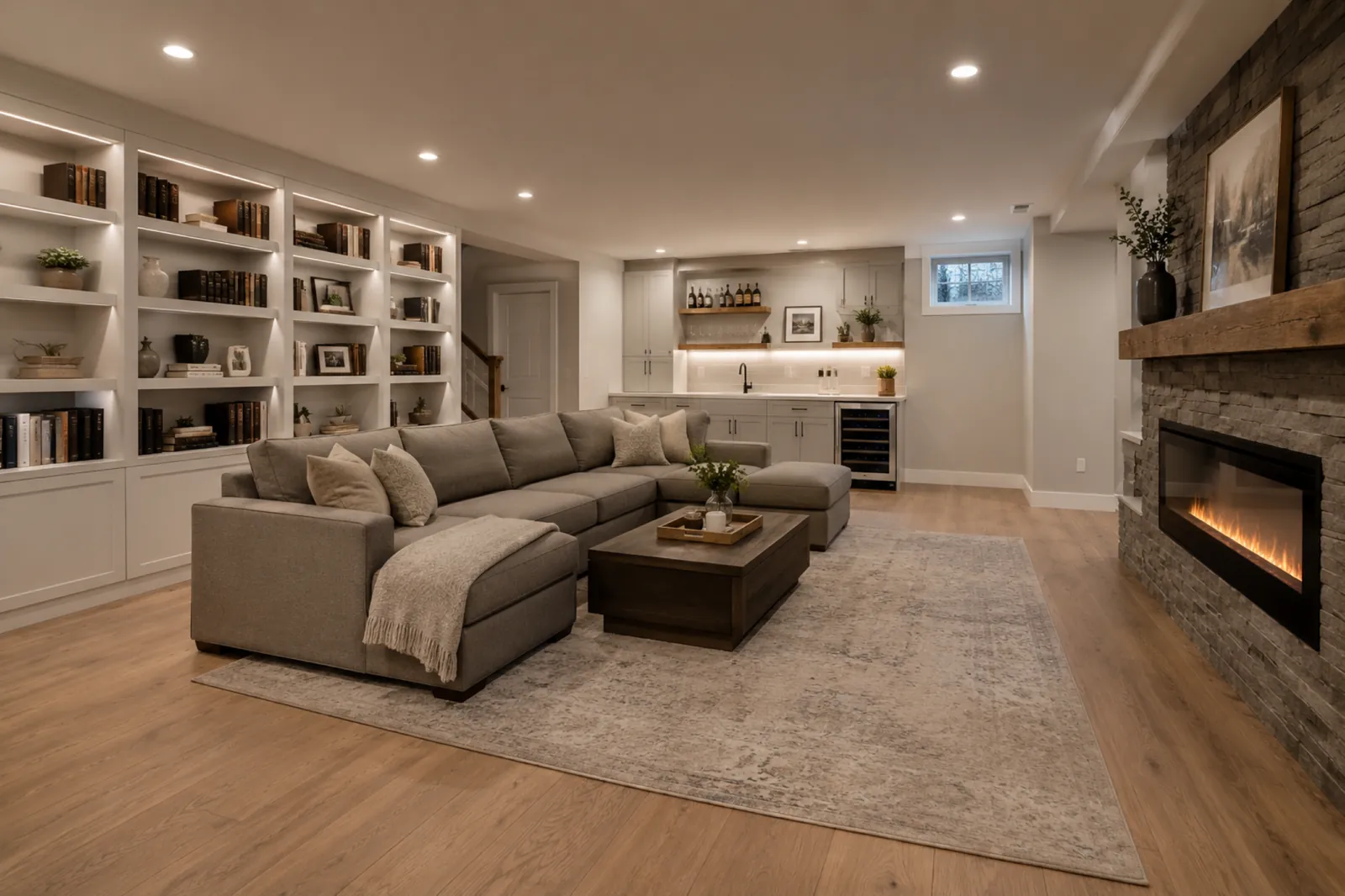
Basements are where LVP clearly wins. Concrete slabs pull moisture from the ground, and many New England basements see dampness during spring thaw. Solid hardwood is generally not recommended below grade because it can cup and warp. LVP handles humidity and the occasional spill, as long as the basement itself is kept dry.
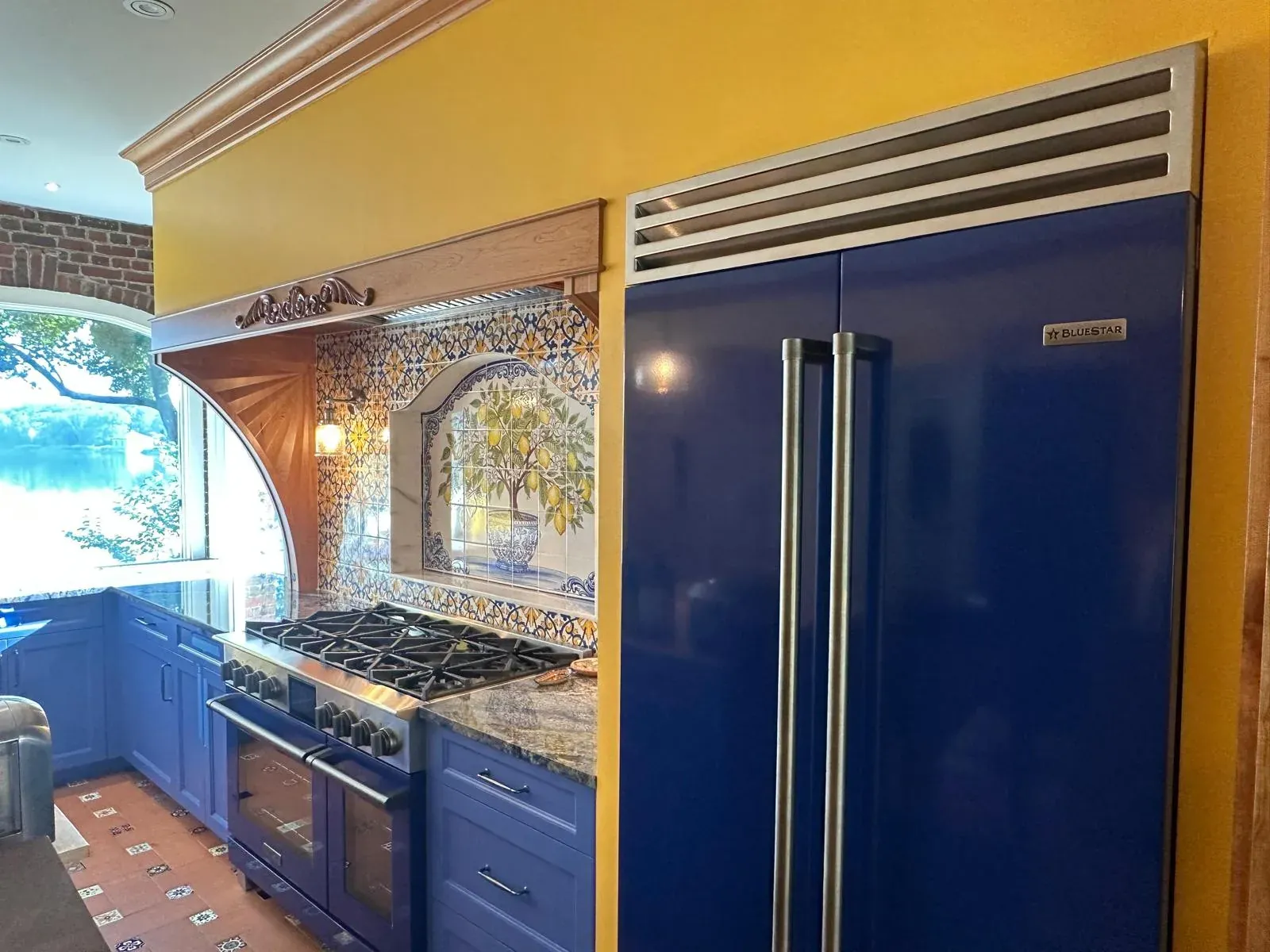
Kitchens are closer. LVP shrugs off spills, dropped pots and wet boots in winter, which is why many families with kids choose it. Hardwood also works in kitchens and gives the room a continuous look with the rest of the house, but leaks from a dishwasher or sink need to be wiped up quickly.
If you are planning a full kitchen update, it helps to choose the floor early. Our kitchen remodeling service can plan cabinets and flooring together, so transitions between rooms stay clean.
Bathrooms, bedrooms and living rooms
In full bathrooms, hardwood is a poor fit. Steam, splashes and wet bath mats are hard on wood. Waterproof LVP is a reasonable choice for a budget bath, and porcelain tile remains the most durable option for showers and floors that see a lot of water.
Bedrooms, living rooms and dining rooms are where hardwood shines. These rooms stay dry, foot traffic is moderate, and real wood feels warm and solid underfoot. Many homes with original oak in these rooms simply refinish it instead of covering it.
LVP still makes sense here for some families. It is quieter than some hard floors when installed with a good underlayment, it resists scratches from toys and furniture, and it costs less. The choice often comes down to budget and how long you plan to stay.
Pets, radiant heat and refinishing hardwood
Dogs are hard on any floor. Quality LVP with a thick wear layer resists scratches better than softer woods, and it does not stain from pet accidents if they are cleaned up. Hardwood will scratch, especially softer species, but scratches can be sanded out during a refinish.
Radiant floor heating works with both, with conditions. Engineered hardwood is usually the better wood choice over radiant heat because it moves less. Many LVP products are rated for radiant heat, but manufacturers set a maximum surface temperature, so check the product specs before you buy.
Refinishing is hardwood's big long-term advantage. Solid hardwood can be sanded and refinished several times over its life, and engineered boards with a thick top layer can often be refinished at least once. National cost guides often put refinishing around $3 to $8 per square foot. When LVP wears through, the planks have to be replaced.
Old Massachusetts subfloors and installation
Many older homes around Boston and Worcester, including triple-deckers, have board subfloors, sagging joists or several layers of old flooring.
Click-together LVP needs a flat, solid base. Dips and humps can make planks flex, click or separate at the seams. Nail-down hardwood is a little more forgiving of minor unevenness, but squeaks and loose boards in the subfloor should be fixed first for either material.
If the home was built before 1978, removing old floors or trim can disturb lead paint, and federal EPA renovation rules plus Massachusetts lead law require lead-safe work practices. Flooring alone often does not need a building permit, but requirements vary by town, so check with your local building department.
Which floor adds more resale value?
Hardwood is still the floor many buyers in Massachusetts expect in main living areas, and listings often call it out by name.
LVP has become widely accepted, especially in basements, kitchens and rental units, where buyers value a floor that handles water. A clean, quality LVP floor in the right room does not hurt a sale, but a cheap plank in a formal living room can look out of place next to wood elsewhere.
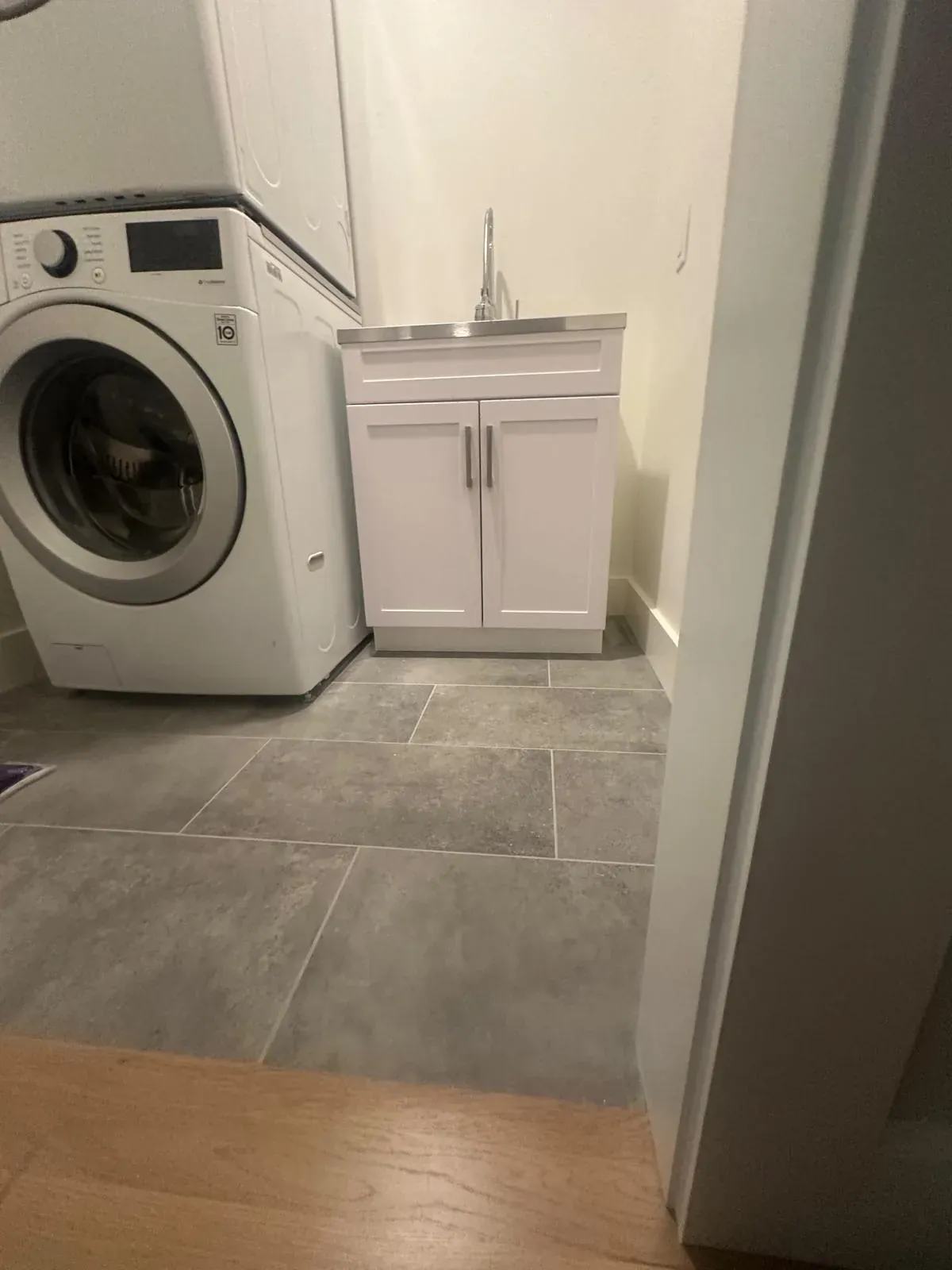
For most homes, a mix works best: hardwood in bedrooms and living spaces, LVP in the basement and mudroom, and tile or LVP in baths. Our flooring installation service covers both, and with 8 years of experience and 500+ projects, Santos Home Renovation can help you match each room to the right floor. Get a Free Estimate and we will look at your rooms in person.