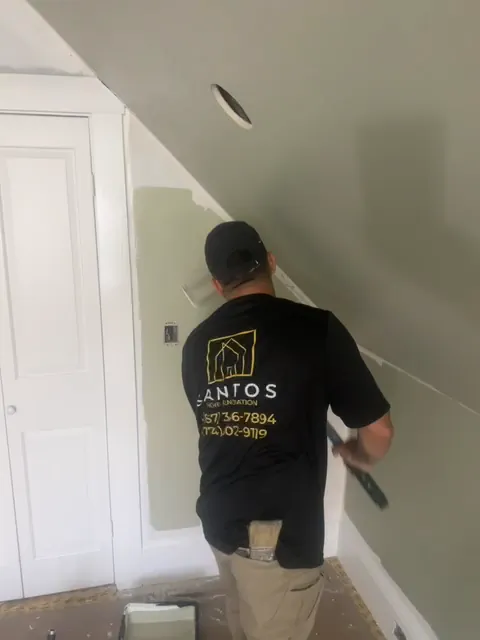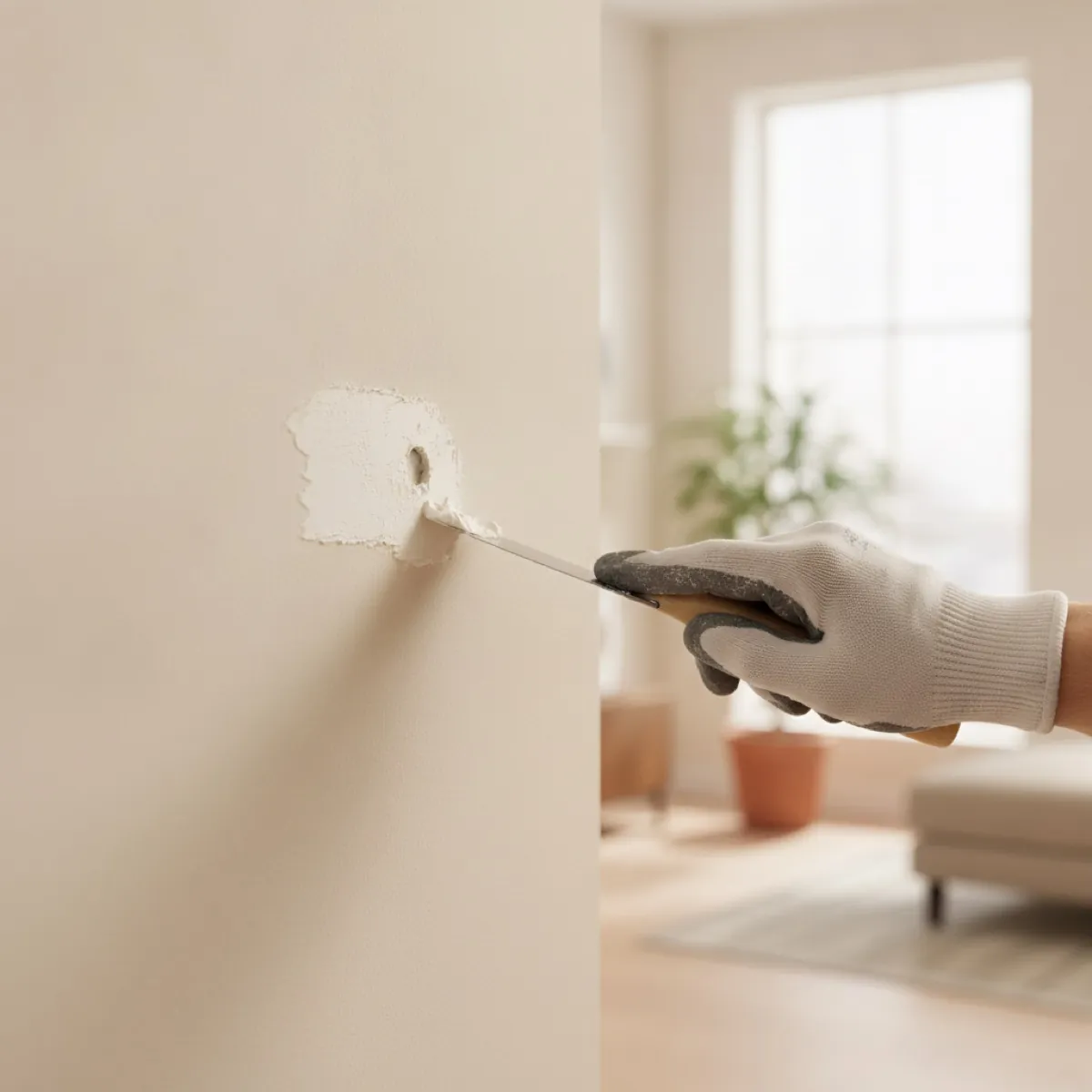
A dent from a doorknob, a crack over a doorway, a stained ceiling after a leak, or a basement that finally needs real walls: drywall work comes in every size. That is why the first question most homeowners ask is simple. What will this cost?
The honest answer is that drywall pricing depends less on the material and more on labor, finish quality and what is behind the wall. This guide walks through typical market ranges for repairs and new installation, the details that change the number, and how to get a real price for your home.
How much does drywall repair cost?
As a rough guide, national cost guides such as Angi and HomeAdvisor place most drywall repairs in the low hundreds of dollars. A small hole or nail pop often lands around $100 to $300. A larger hole, such as one from a moved outlet or a plumbing repair, typically runs $250 to $600 because it needs a new piece of board, tape and several coats of compound.
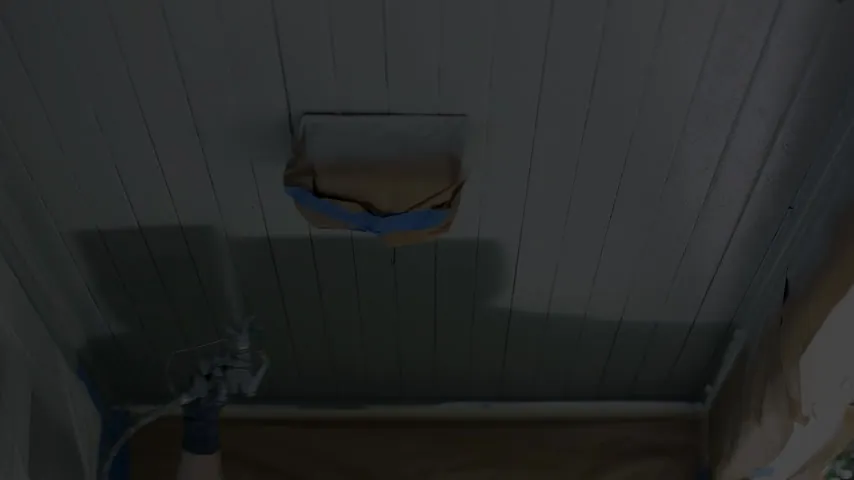
Cracks are priced by cause as much as by length. A hairline crack over a door may be a quick fix, while repeated cracking at the same seam can point to movement in the framing that should be checked first. Water-damaged ceilings are the most variable: a small stained area may be $400 to $900, and a sagging section that must be cut out and replaced can reach $1,000 to $2,500 or more.
Many contractors also have a minimum service charge, often in the $150 to $350 range, because a small patch still means a trip, setup, drying time and a return visit. In the Boston area and much of Massachusetts, labor costs tend to run above national averages, so expect local quotes toward the upper end of these ranges.
What does new drywall installation cost?
New drywall is usually priced per square foot of wall and ceiling surface, not per square foot of floor. As a rough guide, hanging, taping and finishing standard drywall often runs about $2.50 to $5 per square foot nationally, and Massachusetts projects frequently come in higher. A standard 4 by 8 sheet of half-inch board costs only part of that; most of the price is labor.
Finish level matters. Level 3 is common in garages and areas that will get heavy texture. Level 4 is the usual standard for painted living spaces. Level 5, a thin skim coat over the entire surface, is used under bright light, glossy paint or large open walls, and it adds noticeable labor.
Ceilings cost more than walls because the work is overhead and slower. Tall walls, stairwells, many corners and small rooms with lots of cuts also raise the price. Basements and full rooms are often quoted as a project total.
Plaster and lath in older Boston and Lowell homes
Many triple-deckers, colonials and capes around Boston, Lowell and Worcester still have original plaster and lath walls. Plaster is harder and denser than drywall, and it can crack as old houses settle through decades of New England freeze-thaw cycles.
There are three common paths. Small cracks and holes can be repaired with plaster or setting compound and blended in. Walls with widespread hairline cracking may be skim coated to create a smooth new surface. When plaster is loose, bulging or falling away from the lath, replacing it with drywall is often the more practical choice, though demolition adds labor, dust control and disposal costs.
Older homes also bring a safety question. Houses built before 1978 may have lead paint, and federal EPA renovation rules and Massachusetts lead law require lead-safe work practices when painted surfaces are disturbed. Ask any contractor how they handle it before demolition starts.
Moisture, leaks and the right board for the room
Bathrooms, laundry rooms and basements need board made for damp areas. Moisture and mold resistant drywall costs a bit more than standard board, and areas that will be tiled in a shower usually call for cement board or another tile backer instead of drywall.
With water damage, the most important step is finding and fixing the source first. Patching a ceiling under an active leak, a failing toilet seal or an ice dam on the roof only means paying twice. Wet insulation and framing also need to dry fully before new board goes up.
Massachusetts basements can be humid in summer and cold in winter, so insulation choice and a gap at the floor help finished walls last.
Texture matching, painting and drying time
A patch is only finished when you cannot see it. Matching an existing texture, such as orange peel or knockdown, takes skill, and smooth walls can show every ridge under side lighting. Expect a small extra charge for careful texture work.
Painting is often separate. A repaired spot usually needs primer and at least one coat over the whole wall, not just the patch, so the sheen and color blend. Some homeowners bundle drywall repair with interior painting to save a visit.
Time is driven by drying. Joint compound typically needs several hours to a full day between coats, and most repairs take three coats plus sanding. A small repair may span two or three short visits, while a full room of new drywall commonly takes about a week from hanging to paint-ready, depending on size and humidity.
Permits, DIY or a pro, and choosing a contractor
Small drywall repairs usually do not need a permit in Massachusetts. New walls, a finished basement, layout changes and larger renovations may need a building permit from your local city or town building department under the Massachusetts State Building Code (780 CMR). Any electrical or plumbing work behind the walls must be done and permitted by state-licensed electricians and plumbers, and requirements vary by town.
A confident homeowner can often handle a nail pop or a small hole with a patch kit. Larger holes, ceilings, water damage, plaster and full rooms are where a pro usually pays off, because a seam that shows through paint is hard to undo.
When comparing contractors, ask for a written scope and estimate, photos of real past drywall work, a clear timeline and payment schedule, and who handles permits and licensed trades. Also ask how they protect floors, control dust and clean up each day.
If you are in Boston, Worcester or nearby towns, Santos Home Renovation can visit, look at the walls and give you a clear plan with a real number. Get a Free Estimate and know what your project will cost before any work begins.