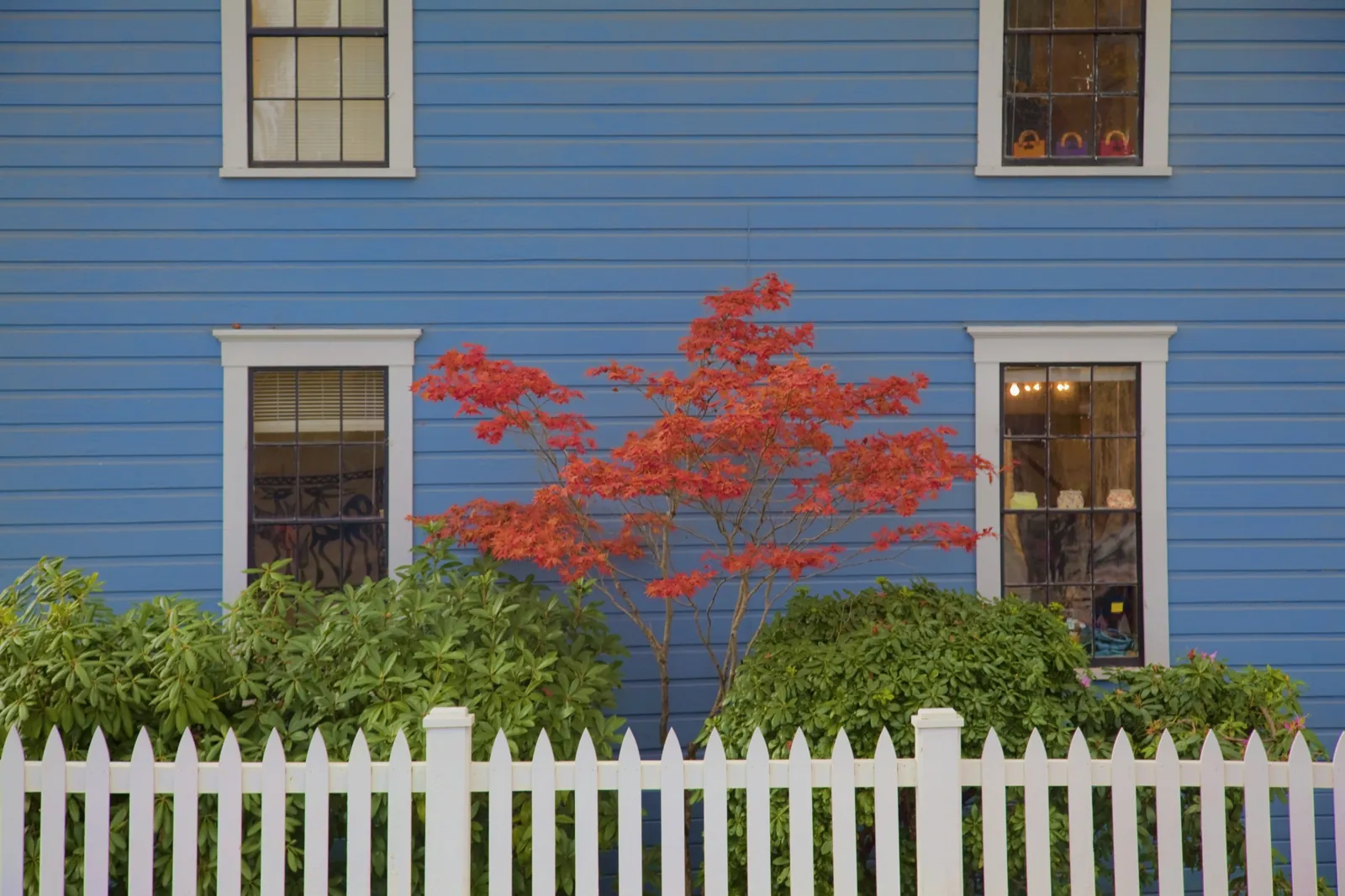
A new fence is one of those projects where the quotes can look wildly different from one contractor to the next. Most of that gap comes from a few things: the material, the height, how many gates you need and what is under the ground where the posts go.
This guide walks through typical fence installation cost ranges for chain link, wood and vinyl, explains why Massachusetts yards often cost more than national averages suggest, and covers permits, timing and how to compare estimates. Treat every number here as a rough guide, not a quote.
How much does fence installation cost per linear foot?
Fences are priced by the linear foot, installed, which includes posts, panels or pickets, hardware and labor. As a rough guide from national cost guides such as Angi and HomeAdvisor, chain link often runs about $15 to $35 per foot installed, pressure-treated wood about $20 to $45, cedar about $30 to $60, and vinyl (PVC) about $30 to $65.
In the Boston area and much of Massachusetts, costs often land at or above the high end of those national ranges. Labor rates are higher here, and rocky soil adds time on almost every job.
To put it in perspective, a typical backyard might need 150 to 250 feet of fence. At those per foot ranges, most homeowners see totals somewhere in the low to high thousands, with gates, removal of an old fence and difficult digging added on top.
Chain link, wood or vinyl: which material fits your yard?
Chain link is usually the most affordable way to enclose a yard for kids or dogs. It lasts a long time and needs little care, but it offers almost no privacy. Vinyl-coated chain link in black or green blends into the yard better than bare galvanized and costs a bit more. That is why the cost of a chain link fence installed is often the first number people look up.
Wood is the classic New England look. Pressure-treated pine costs less up front but can warp and needs stain or sealer every few years. Cedar resists rot and insects naturally and weathers to a soft gray, which is why many people pay more for it.
Vinyl costs more at the start but does not rot, does not need painting and cleans with a hose. In many cases it is the lowest-maintenance privacy fence over 20 years. Cheaper vinyl can crack in very cold snaps, so the grade of the material matters.
What changes the price on a Massachusetts property?
Height is a big driver. A 6 foot privacy fence uses more material and longer posts than a 4 foot picket fence, and each gate adds hardware, a stronger post setup and extra labor.
Ground conditions matter just as much. New England soil is full of rock, and many yards around Worcester and the hills west of Boston sit on ledge, meaning solid bedrock close to the surface. Hitting ledge can mean core drilling or pinning posts to the rock, which adds cost per post.
Posts also need to go deep. To resist frost heave, posts are generally set below the frost line, which in much of Massachusetts is often around 4 feet. Shallow posts tend to lift and lean after a few freeze-thaw winters. Slopes, tree roots, removing an old fence and tight access for equipment can all push the number up as well.
Permits, property lines and Dig Safe in Massachusetts
Many Massachusetts towns require a building permit for fences, especially taller ones, often those over 6 feet, and some limit fence height on corner lots so drivers can see traffic. Rules vary from town to town, and historic districts in places like Boston and Cambridge can add design review. Check with your local building department before you order materials.
Know exactly where your property line is. If the boundary is unclear, a survey costs money up front but can save a dispute with a neighbor later. Many homeowners also set the fence a few inches inside the line to be safe. If you have an HOA or condo association, read its fence rules too.
Before anyone digs, call Dig Safe by dialing 811. It is free, it is required in Massachusetts before excavation, and it gets underground utility lines marked so nobody hits a gas or electric line while setting posts.
How long does a fence installation take?
For a typical residential yard, the actual install often takes 1 to 3 days. Rocky ground, ledge or a long run of fence can stretch that out.
The waiting usually happens before the crew shows up. Allow time for the Dig Safe markings (usually a few business days), any permit review, and material lead times, which can be longer for custom gates or certain vinyl styles.
Spring and summer are the busiest seasons. Fences can be installed in fall, and even in winter if the ground is not frozen solid, which sometimes means more flexible scheduling.
DIY fence vs hiring a pro
A short run of fence on soft, flat ground is a reasonable DIY project if you are handy and have help. You save on labor, but you will still rent a post hole auger and haul a lot of material.
The hard parts are the parts you cannot see later: digging below the frost line, keeping posts plumb and in a straight line, and hanging gates so they do not sag. In rocky Massachusetts soil, a DIY job can turn into days of fighting stones with a digging bar.
A professional crew brings the right tools for ledge and rocks, sets posts that stay put through winter, and usually finishes in a fraction of the time. For long runs, privacy fences and anything with gates, most homeowners find the pro install worth it.
How to choose a fence contractor and get a real number
Ask for a written scope and estimate that lists the material, height, number of gates, post depth, how posts are set and whether old fence removal and cleanup are included. That makes quotes easy to compare side by side.
Look at photos of real fences the contractor has built, and ask about the timeline and payment schedule. Make sure it is clear who handles any permit and who calls Dig Safe, and pay attention to how quickly and clearly they communicate before the job even starts.
If you are in Boston, Worcester, Framingham or nearby towns, Santos Home Renovation can visit, walk the fence line with you and give you a free estimate. Get a Free Estimate to find out what your fence will really cost.