Hardwood is still the floor most Massachusetts homeowners picture when they think about adding warmth and value to a house. It also comes with more questions about price than almost any other flooring, because the final number depends on the wood, the room, and what is hiding under the old floor.
This guide walks through typical hardwood floor installation cost per square foot, the factors that move the price, how long the work takes, and how hardwood compares with luxury vinyl plank and porcelain tile. The ranges below are market estimates, not a quote, so use them to plan and then get a real number from an in-home visit.
How much does hardwood floor installation cost per square foot?
As a rough guide, installed hardwood often falls in the range of about $8 to $15 per square foot for materials and labor combined, with premium species, wide planks, or complex layouts going higher. Materials alone often run from $4 to $10 per square foot, and labor typically adds $3 to $8.
Boston-area and Massachusetts costs often run above national averages because labor, disposal, and delivery cost more here. For a typical 300 square foot living room, many homeowners see totals somewhere in the range of $3,000 to $6,000, before any subfloor repairs, stairs, or trim work. National cost guides such as Angi, HomeAdvisor and Remodeling magazine's Cost vs. Value report are useful for a general picture.
Prefinished boards usually cost a bit more to buy but less to install, since there is no on-site sanding and finishing. Site-finished floors take more labor and more days, but they let you choose a custom stain and get a smooth, sealed surface across the whole room.
What drives the price up or down
The biggest factor is the type of floor. Solid hardwood is one piece of wood and can be sanded and refinished many times over its life. Engineered hardwood has a real wood top layer over a stable plywood core, often costs about the same or a little less, and handles humidity changes better, which makes it a good fit for basements and over radiant heat.
Species matters too. Red and white oak are the most common choices in New England and sit in the middle of the price range. Maple is harder and smoother looking but can be trickier to stain evenly, while exotic species and wide plank floors usually cost noticeably more.
Then there is the work around the floor itself. Removing old carpet, tile, or a worn floor adds labor and disposal fees. Leveling a sagging or uneven subfloor, replacing damaged plywood, and adding new baseboard or shoe molding can each add hundreds to a few thousand dollars depending on the size of the job.
Stairs are priced separately in most cases, usually per step, because each tread and riser is cut and fitted by hand. A full staircase can add a meaningful amount to the total, so ask for it as its own line on the estimate.
Hardwood vs. luxury vinyl plank and porcelain
Luxury vinyl plank typically costs less installed, often in the range of $4 to $9 per square foot, and it is fully waterproof. That makes it a smart choice for basements, mudrooms, and busy kitchens, but it cannot be sanded and refinished like real wood, and some buyers still see hardwood as the premium option.
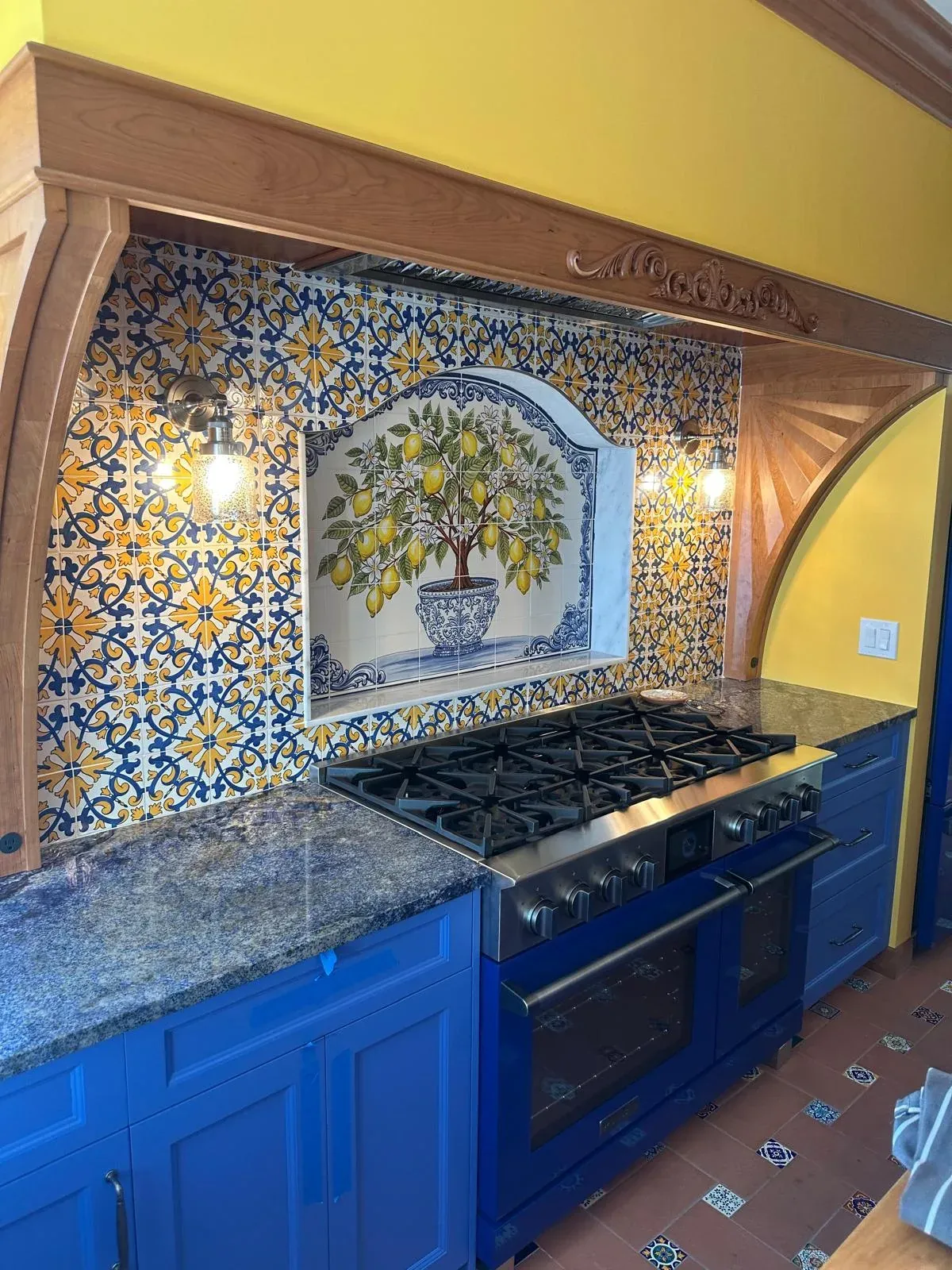
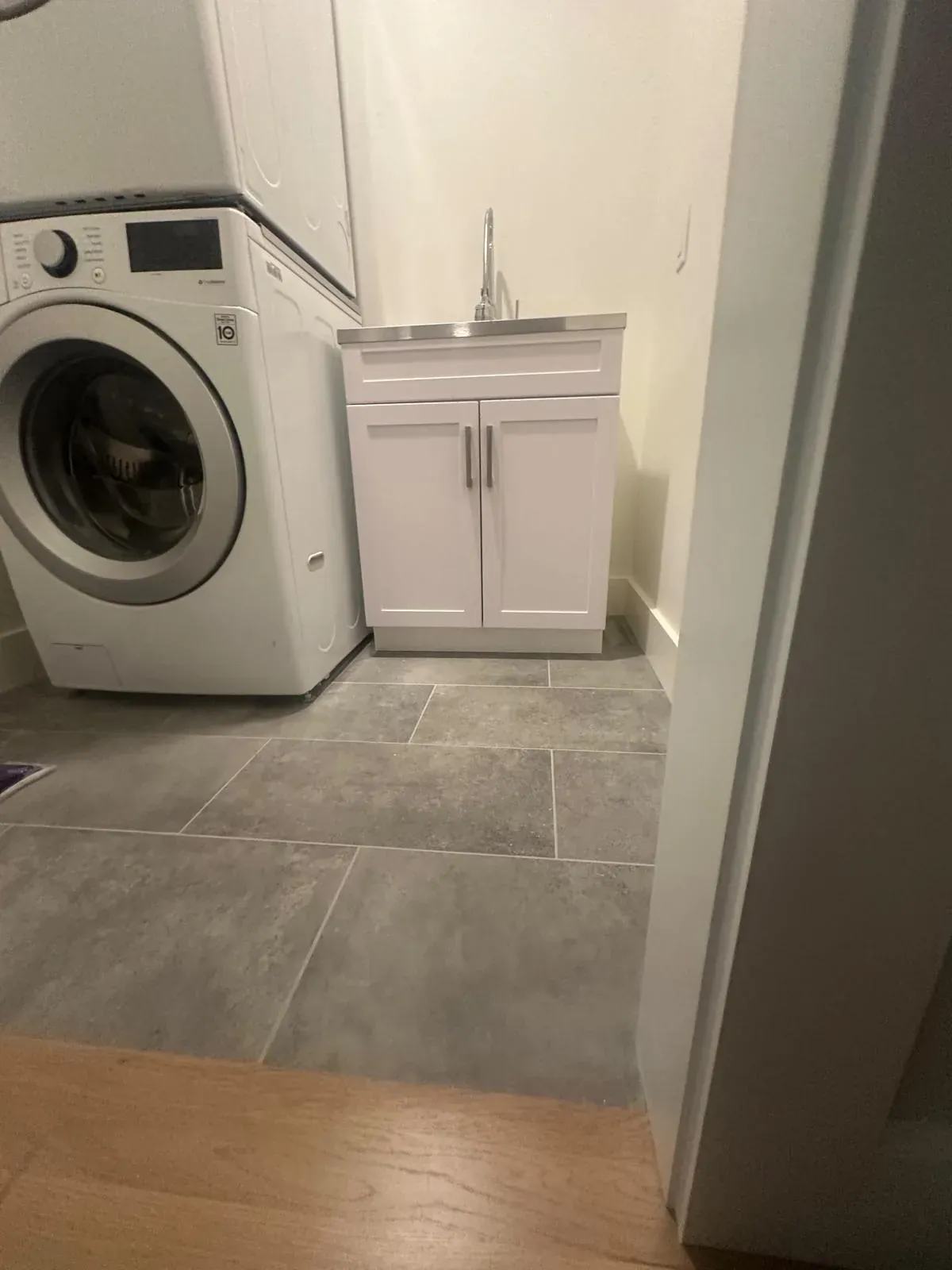
Porcelain tile often lands in a similar or higher range than hardwood once you add the labor for setting and grouting, and it is the most durable choice for bathrooms and entryways. It feels colder underfoot in a New England winter unless you add radiant heat.
Many homes end up mixing materials: hardwood in living rooms, bedrooms, and hallways, vinyl plank in the basement, and porcelain in bathrooms. A good plan matches each room to how it is used instead of forcing one floor everywhere.
Older New England homes, humidity, and acclimation
Massachusetts houses go through big humidity swings between dry heated winters and damp summers. Wood expands and shrinks with those changes, so boards are usually delivered and left in the home to acclimate for several days before installation, and installers leave a small expansion gap at the walls.
Older homes add their own surprises. Triple-deckers, colonials, and capes in Boston, Worcester, and Framingham often have original floors, uneven joists, or several layers of old flooring stacked up over the decades. Sometimes the best move is refinishing the original wood rather than replacing it, and a contractor should tell you when that is the case.
If the home was built before 1978, painted trim and baseboards may contain lead paint. Federal EPA renovation rules and Massachusetts lead law require lead-safe work practices when that paint is disturbed, so ask how the contractor handles it before trim comes off.
Timeline and permits
For a few rooms of prefinished hardwood, installation itself often takes two to four days after the acclimation period. Site-finished floors usually need extra days for sanding, staining, and coats of finish to dry, and you will want to stay off the floor during that time.
Flooring alone usually does not need a building permit in Massachusetts, but rules vary by town, so check with your local building department. If the project includes structural repairs to joists, moving walls, or electrical work for radiant heat, those parts may need permits under the Massachusetts State Building Code, and electrical work must be done by a state-licensed electrician.
DIY or hire a pro, and how to choose a contractor
Floating engineered floors and click vinyl are within reach for handy homeowners with the right tools. Nail-down solid hardwood, site finishing, stairs, and fixing an uneven subfloor are harder, and mistakes show up as squeaks, gaps, or cupped boards that are expensive to undo.
When you compare contractors, ask for a written scope and estimate that lists removal, subfloor prep, materials, trim, and stairs separately. Look at photos of real past floors, and agree on a clear timeline and payment schedule before work starts.
Ask who handles any permits and licensed trades if the job grows, how they will communicate during the project, and how they protect the rest of the house and clean up dust each day. Clear answers to those questions usually tell you more than the lowest price.
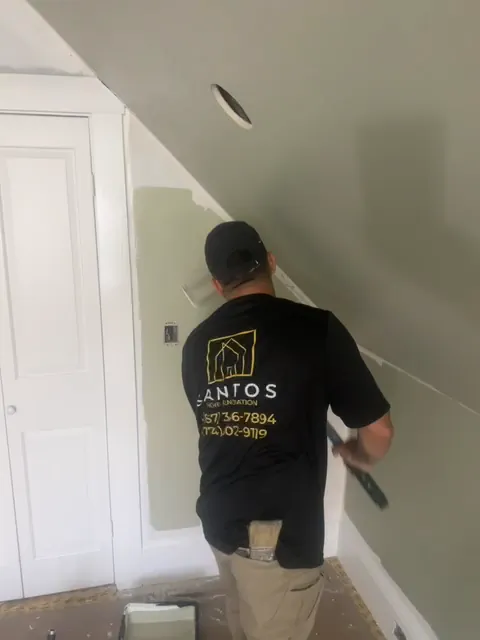
If you are in Boston, Worcester or nearby towns, Santos Home Renovation can visit, look at your floors and subfloor, and walk you through solid, engineered, vinyl, and porcelain options for each room. Get a Free Estimate to see what your project would really cost.