Lowell is full of two-family and three-family houses, and many of them are owned by someone who lives on one floor and rents the others. That setup pays the mortgage, but it also means the house is always in use. Renovating a unit is never just a design project. It is a schedule, a set of rules and a conversation with the people living upstairs or downstairs.
This guide covers what Lowell multi-family owners should think through before renovating: what to fix first, how to handle a unit between tenants, how to work while people are still living there, which Massachusetts rules apply to older rentals and how to plan the budget.
What makes Lowell multi-family houses different to renovate?
Lowell grew in the 19th century as a mill city on the Merrimack River, and a lot of its housing went up for the people who worked in those mills. Neighborhoods like the Highlands, Centralville, Belvidere and the Acre still have many wood-frame two-families, triple-deckers and older apartment houses.
These buildings were built before modern codes and have usually been updated piece by piece over the decades. Behind one wall you may find old plaster on wood lath, behind another a patch of drywall from the 1990s. Floors often have several layers stacked on top of each other.
The units also share a lot. Water lines, drains, heating, stairs and sometimes the electrical service connect one floor to the next. A change in one apartment can affect the tenant above or below, so a good renovation plan looks at the whole building, not just the unit you are standing in.
Which upgrades should Lowell owners prioritize first?
Start with safety and code. Working smoke and carbon monoxide alarms, safe stairs and railings, solid electrical and no active leaks come before any cosmetic upgrade. These items protect your tenants and your family.
Next come the upgrades that tenants notice every day and that hold up to turnover: fresh paint, durable flooring, a clean and working bathroom and a kitchen that functions well. These tend to make a unit easier to rent and cut down on repair calls later.
Bigger changes, like moving walls, relocating a kitchen or adding a bathroom, make sense when the layout truly holds the unit back. For most owners, the best return comes from fixing what is worn and choosing finishes that last, rather than chasing high-end looks in every apartment.
How to renovate a unit between tenants
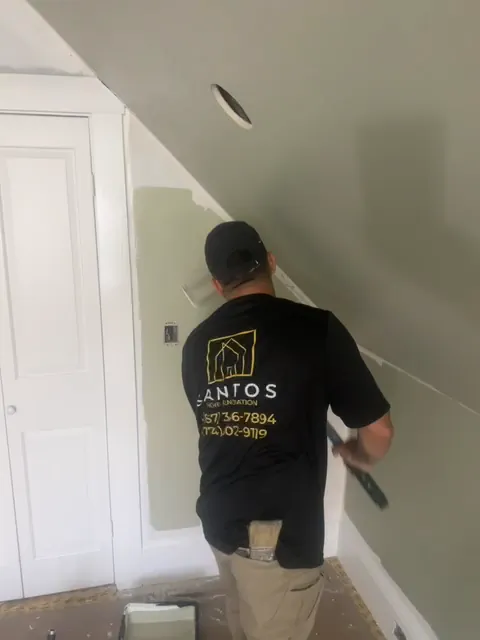
Turnover is the best window for real work, because the unit is empty and nobody has to live around the noise. Many owners use that time for paint throughout, new flooring and small repairs to doors, trim and fixtures. Our interior painting service and the guide "Interior Painting Cost: What to Expect Per Room and Per Square Foot" can help you plan that part.
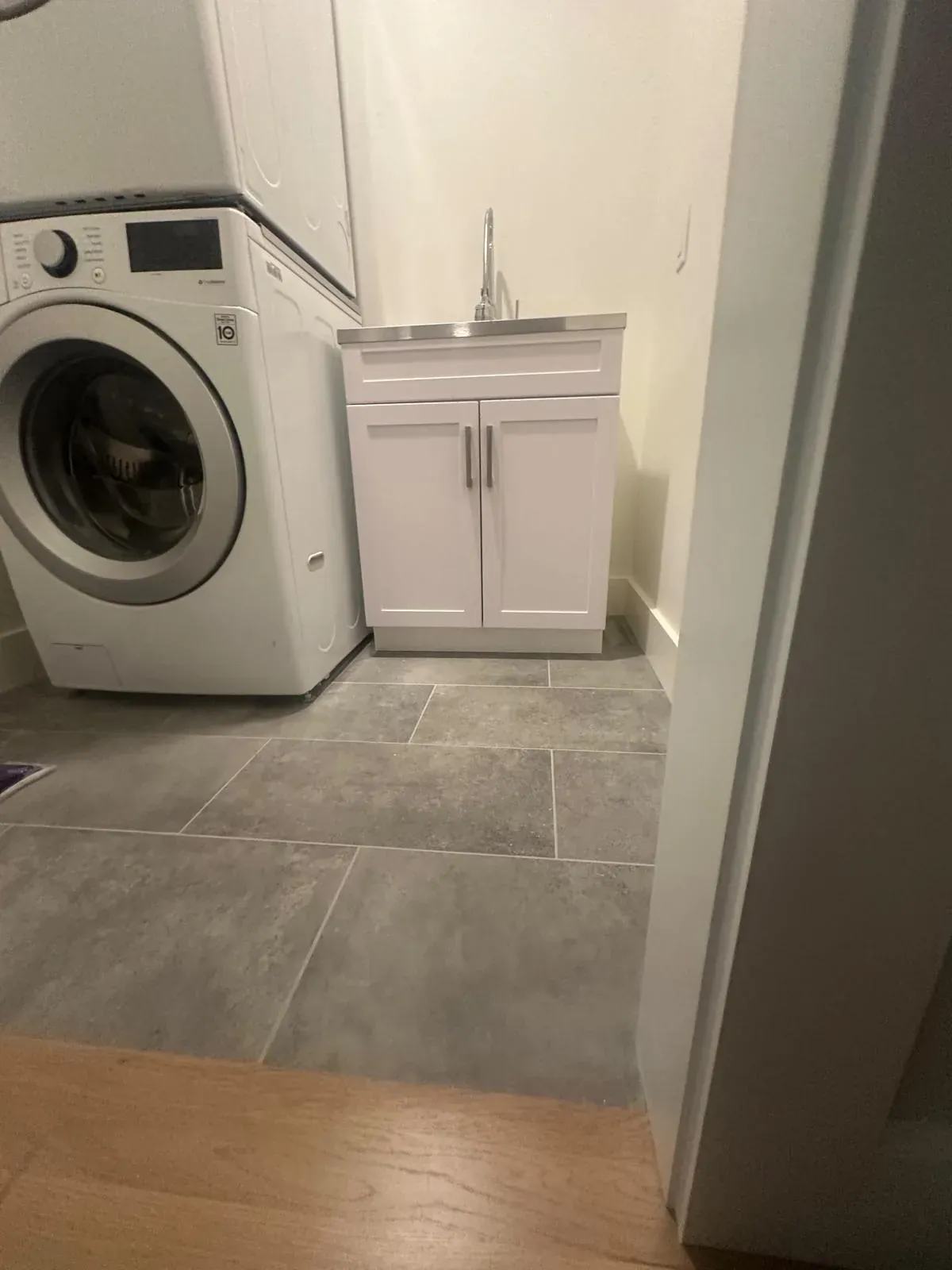
For floors, luxury vinyl plank (LVP) is a common choice in rental units. It is water resistant, handles heavy foot traffic and is easy to repair one section at a time. Porcelain tile works well in bathrooms, laundry areas and entries, where water and wear are highest.
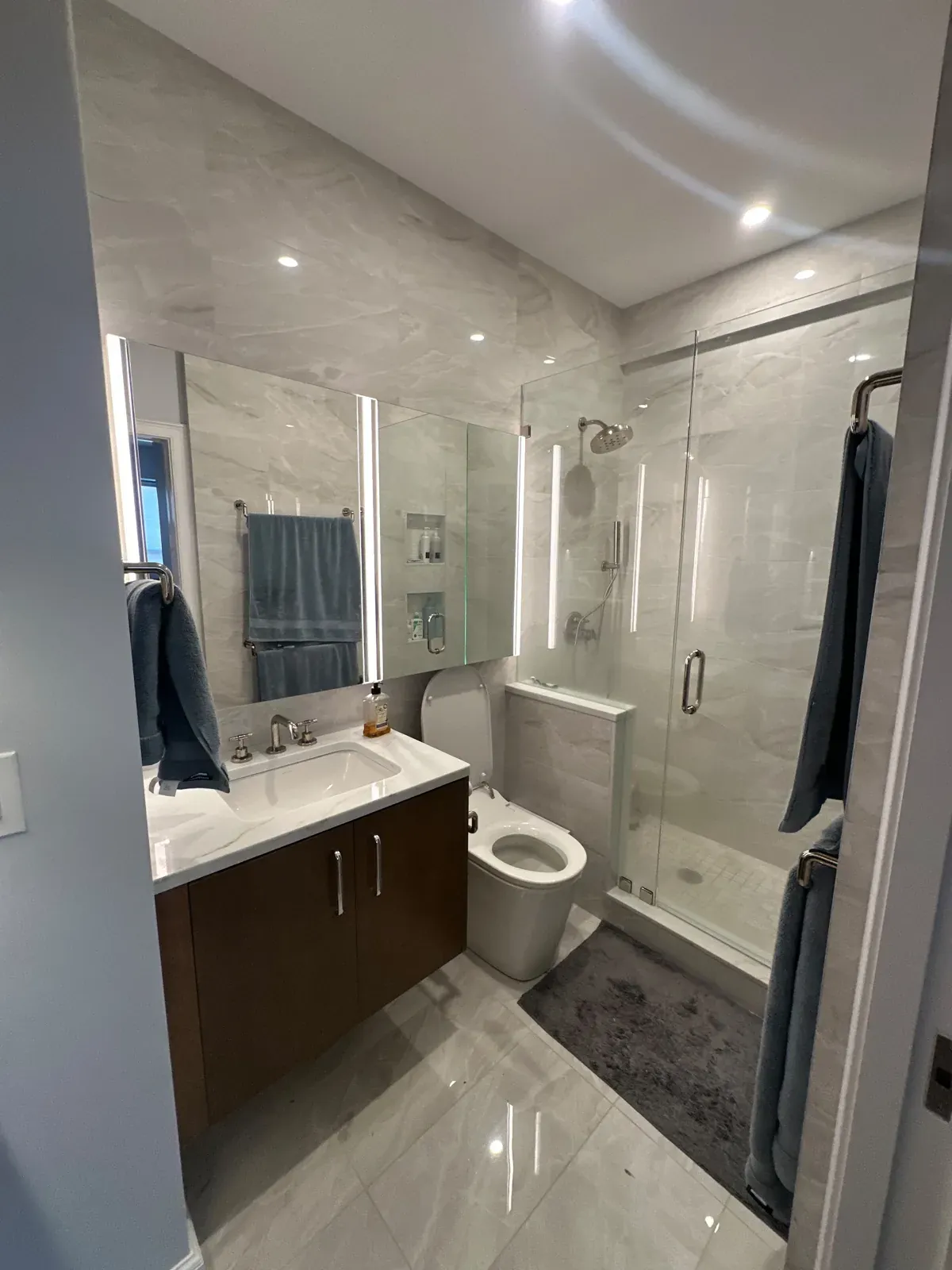
If the bathroom or kitchen is tired, turnover is also the time to replace a vanity, toilet, tub surround or countertops. Keep the finishes simple and repeat them across units when you can. Matching paint colors, flooring and fixtures makes future repairs faster.
Can you renovate while tenants still live there?
Yes, but it takes planning. Give tenants clear notice in writing before work starts, with the dates, the rooms involved and the hours the crew will be there. Most of the friction in occupied renovations comes from surprises, not from the work itself.
Water and power shutoffs need extra care in a multi-family house, because one valve or circuit can serve more than one unit. Schedule shutoffs ahead of time, keep them as short as possible and tell every affected tenant, not only the one whose apartment is being renovated.
Dust control matters too. Plastic barriers, covered floors, sealed doorways and daily cleanup keep the rest of the building livable. In older houses, dust can also carry lead from old paint, which is one more reason to plan containment carefully.
What Massachusetts rules apply to renovating older Lowell rentals?
Lead paint is the big one. Massachusetts lead law requires owners to address lead hazards in homes built before 1978 where a child under six lives, and some deleading work has to be done by a licensed deleader. Federal EPA renovation rules also require lead-safe work practices when contractors disturb painted surfaces in pre-1978 homes.
Smoke and carbon monoxide alarms are required in Massachusetts homes, and the rules on type and placement come from the state fire code. Utilities are another area to check: who pays for heat and electricity depends in part on whether each unit has its own meter, and the state sanitary code sets the rules, so look into it before you separate or combine systems.
Most renovation work needs a building permit from the City of Lowell under the Massachusetts State Building Code (780 CMR). Plumbing, gas and electrical work must be done and permitted by state-licensed professionals. Requirements can change, so confirm with the city before work starts.
How much does a multi-family renovation typically cost?
There is no single price, because a light refresh and a full gut renovation are very different jobs. As a rough guide, national cost guides such as Angi, HomeAdvisor and Remodeling magazine's Cost vs. Value report show that kitchens and bathrooms are typically the largest line items, while paint and flooring cost far less per room.
In older Lowell houses, hidden conditions often move the number. Rotted subfloor under a bathroom, outdated wiring, lead paint and uneven framing can all add work once walls and floors are opened. It is smart to keep a contingency in the budget for what you cannot see yet.
Doing several units at once, or repeating the same finishes across the building, can make the work more efficient. The only way to know your real cost is a free estimate from a contractor who has walked through each unit and seen the conditions.
Planning your Lowell multi-family renovation with one crew
Multi-family projects go more smoothly when one crew handles the related work: drywall, carpentry, paint, flooring, tile and bathrooms. Fewer handoffs mean fewer delays.
Santos Home Renovation has 8 years of experience and more than 500 completed projects, and we work with owners in English, Portuguese and Spanish. You can see the neighborhoods and services we cover on our Lowell home renovation page.
If you have a unit to turn over, a bathroom to update or a list of repairs across the building, send us the details. Get a Free Estimate and we will walk through the property with you and help you decide what to do first.