A Somerville condo renovation is rarely just about your own unit. Most condos in the city sit inside older two-families and triple-deckers, so the people above and below you share your walls, your pipes and sometimes your front stairs.
That changes how a project gets planned. Before the first tile comes off, you may need approval from the condo board, a clear plan for water shutoffs and a way to keep noise and dust away from neighbors. This guide covers what to sort out first so the work goes smoothly.
Why are Somerville condo renovations different?
Somerville is built mostly of wood-frame two-families and triple-deckers, and over the years many of them were converted into condos. Around Union Square, Davis Square and Spring Hill, it is common for one old house to hold two or three separately owned units stacked on top of each other.
In a building like that, your unit is tied to the others. A drain line may run through the unit below, a heating pipe may serve two floors and the back stairs may be the only way to carry materials in. Decisions that feel private, like moving a sink, can affect a neighbor.
Small associations also tend to be informal. Some have a professional manager, while many are run by the owners themselves. Knowing who makes decisions in your building, and how quickly they respond, is part of planning a realistic schedule.
What do the master deed and association rules say about renovations?
Every Massachusetts condo is governed by documents created under the state condominium law (Chapter 183A): the master deed, the bylaws and any rules the association adopts. Together they define what belongs to your unit and what is a common element shared by all owners.
Read them before you plan anything. Many associations require written notice or board approval for work that touches plumbing, structure, floors or windows, and some set allowed work hours or ask for plans. Getting approval in writing protects you if a question comes up later.
Associations often ask the contractor for a certificate of insurance (COI) naming the association before work begins. Ask your board exactly what it needs, then ask any contractor you are considering to provide those documents directly, so nothing holds up the start date.
Which parts of a condo can you change, and what about shared pipes?
Finishes inside your unit, like cabinets, vanities, tile and paint, are usually yours to change. Walls between units, the building structure, main supply lines and drain stacks are often common elements, which means the association may have a say before anything is moved or opened.
Plumbing is where shared buildings get tricky. In many older Somerville houses, one main shut-off controls water for every unit, so replacing a valve or a toilet can leave neighbors without water. Plan shutoffs ahead, give everyone notice and keep them as short as possible.
Opening a bathroom floor can also reveal old drain pipes that serve the unit below. Decide in advance with your board who pays if a shared line needs repair. Any plumbing or gas work in Massachusetts must be done by a state-licensed plumber.
How do you keep noise between floors under control?
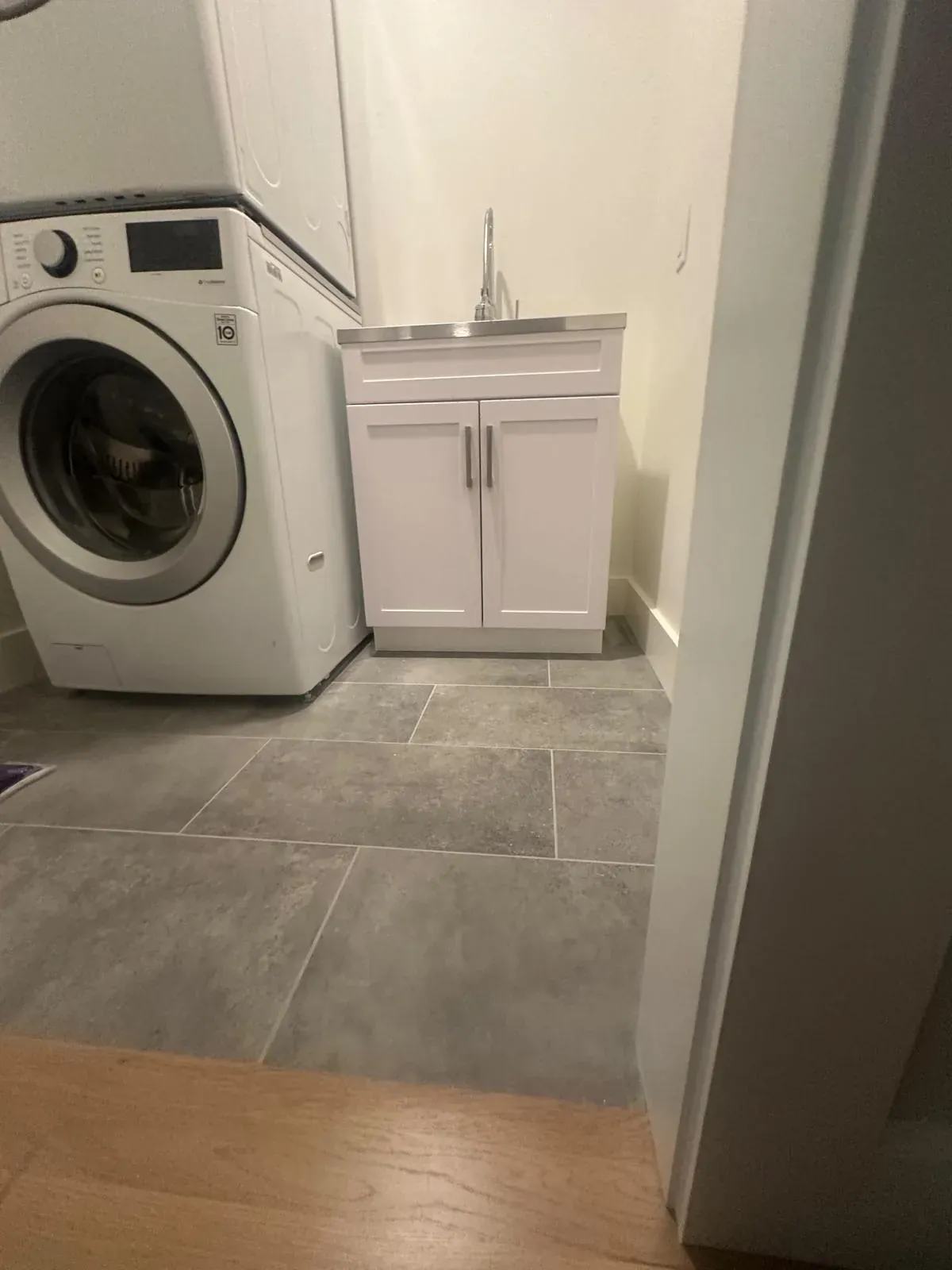
Sound travels easily through old wood framing. When carpet is replaced with hardwood, vinyl plank or tile, footsteps that were barely noticed before can suddenly bother the neighbor below. That is one of the most common sources of friction after a condo floor project.
The usual answer is an acoustic underlayment under the new floor. Some associations specify a minimum sound rating or a particular type of underlayment for hard flooring on upper floors, so check your rules before choosing materials. It is far cheaper to add it during installation than afterward.
Noise during the work matters too. Demolition, tile cutting and sanding are loud, so keep them to the hours your association allows and let neighbors know which days will be the noisiest. A little warning goes a long way in a shared house.
What permits apply, and what about lead paint?
Most remodeling beyond cosmetic updates needs a building permit from Somerville's Inspectional Services under the Massachusetts State Building Code (780 CMR). Plumbing, gas and electrical work need their own permits, pulled by state-licensed tradespeople. Requirements can change, so confirm with the city before work starts.
Many Somerville two-families and triple-deckers were built long before 1978, which means painted trim, doors and walls may contain lead. Federal EPA renovation rules and the Massachusetts lead law require lead-safe work practices when that paint is disturbed, including containment and careful cleanup.
In a shared building, lead-safe work also protects your neighbors, since dust can travel through stairways and common halls. Ask any contractor how they will contain the work area and clean up each day before you sign anything.
How do parking, deliveries and timing work in Somerville?
Somerville streets are narrow and parking is tight, so plan where a work vehicle, a delivery truck or a dumpster will go. Placing a container or reserving space on the street may require a permit from the city, so check the current rules early.
Inside, steep stairs and narrow halls limit what can be carried in at once. Long cabinet runs, large vanities and full sheets of drywall need to be measured against doorways and turns before ordering. Common areas should be protected with floor covering while materials move through.
Timing helps too. Interior work like bathrooms, kitchens and floors can happen year round, and winter is often a calmer time to book it. Living in the unit during the project is possible for many jobs, but plan for a period without a working kitchen or bathroom.
What are the most common condo upgrades, and how should you budget?
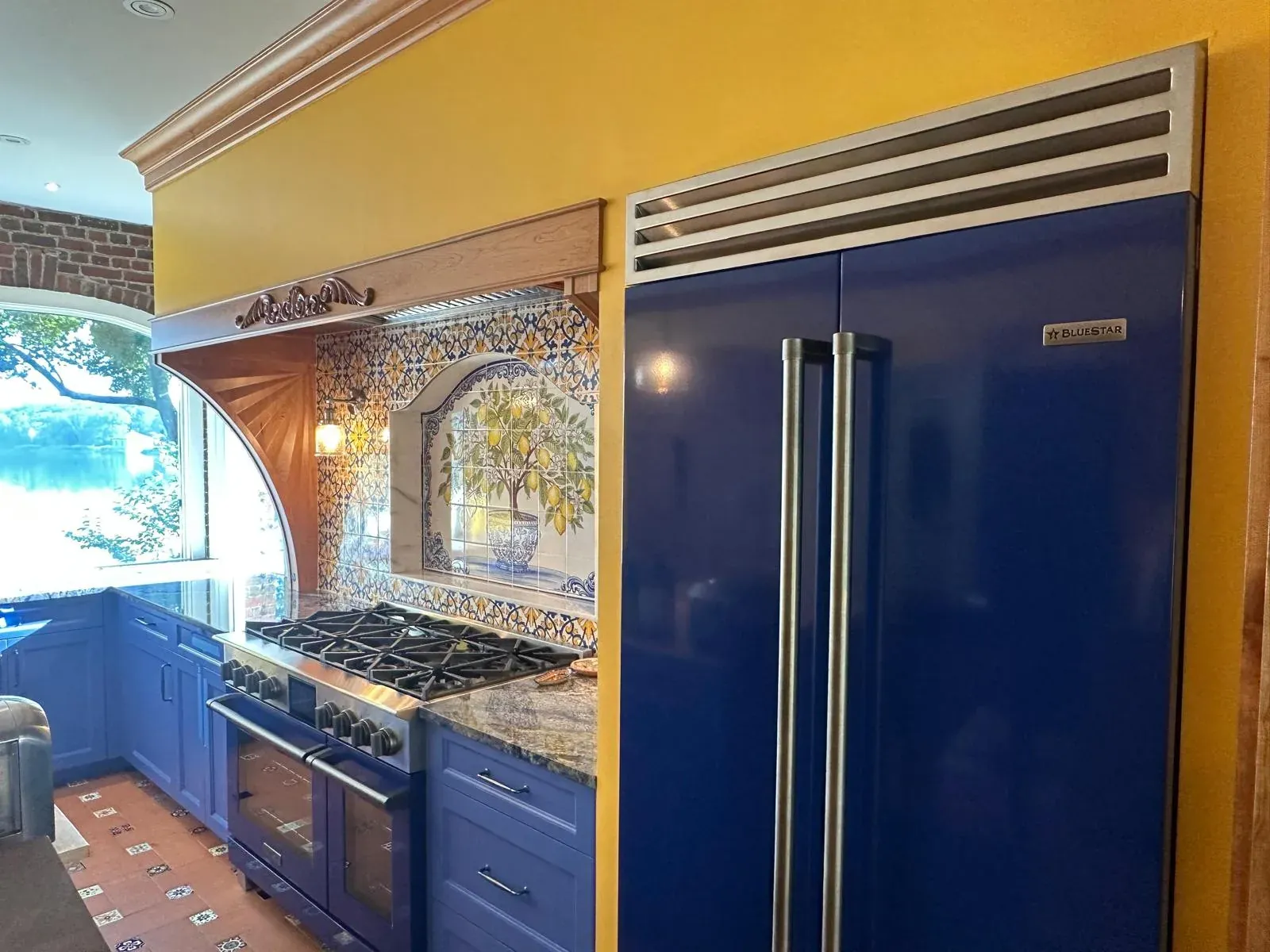
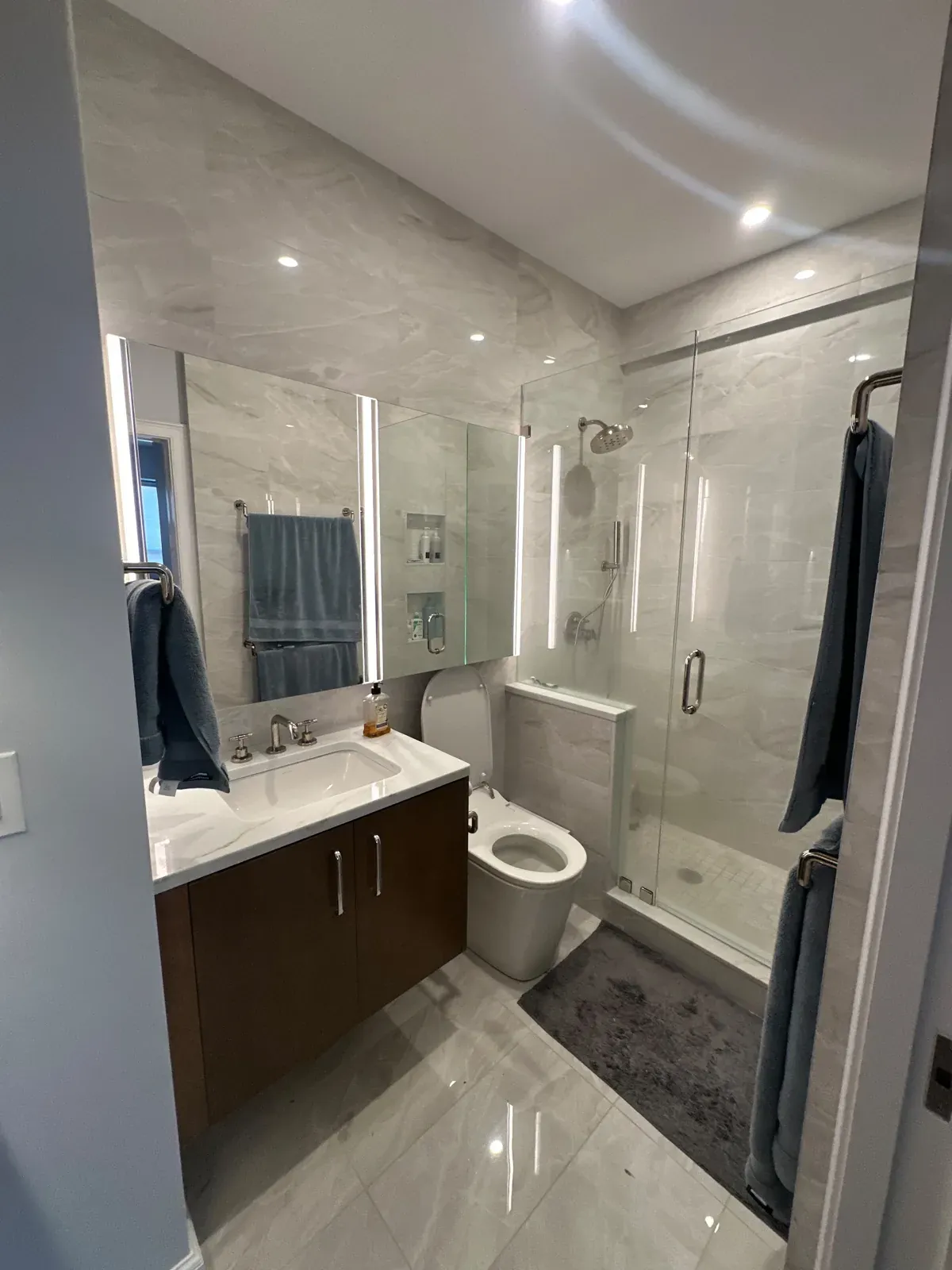
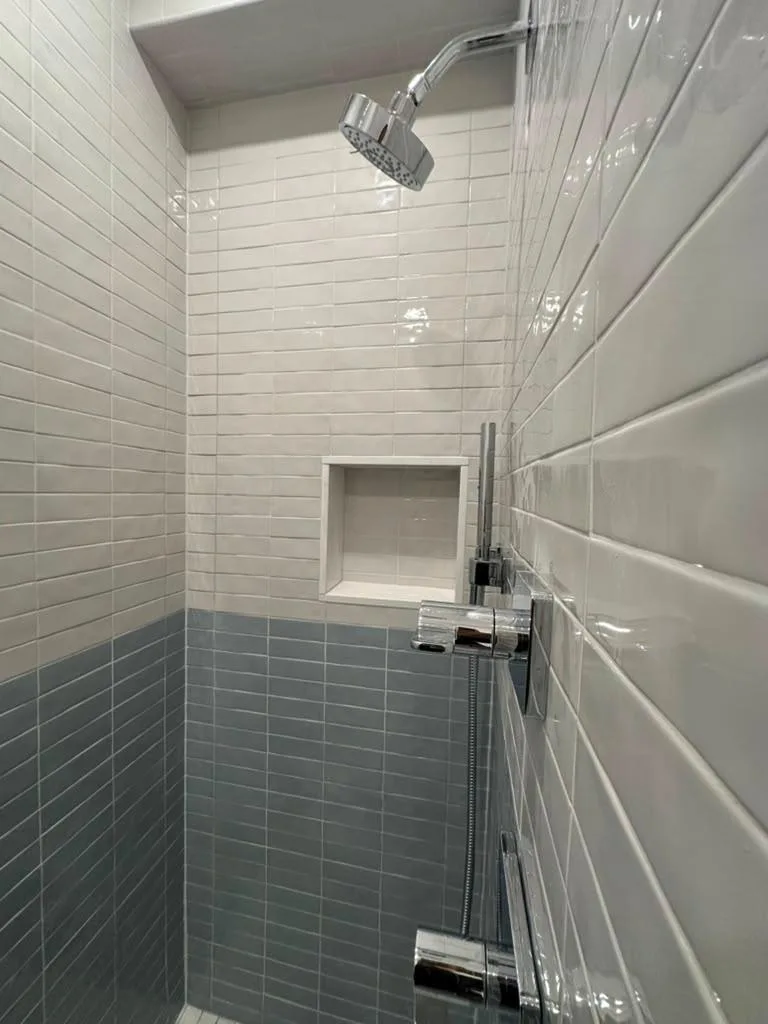
Bathrooms top the list in small condo units, often swapping a tub for a walk-in shower or adding storage with a better vanity. For layout ideas, our guide Small Bathroom Remodel Ideas That Make the Room Feel Bigger walks through options that suit tight floor plans. Kitchens and continuous flooring through the unit come next.
As a rough guide, national cost guides such as Angi, HomeAdvisor and Remodeling magazine's Cost vs. Value report show wide ranges for these projects, and Boston-area prices typically run above national averages. Condo work can add cost for board requirements, acoustic underlayment, careful material handling and coordinated shutoffs.
Santos Home Renovation has 8 years of experience and more than 500 projects behind it, and we work in Somerville in English, Portuguese and Spanish. See our Somerville home renovation page or our bathroom remodeling service for details. Get a Free Estimate and we will look at your unit and building rules with you.